Software and web studio · St. John’s, NL · fishing first, any trade on paper
Software for the deck and the dock, the site and the road. And the website that sells what you do.
DeepGrade is two people in Newfoundland. We started on the wharf, where the software had to work with no signal, and we build the same way for every trade that still runs on paper: fitted to how the operation already works, by the people who write the code.
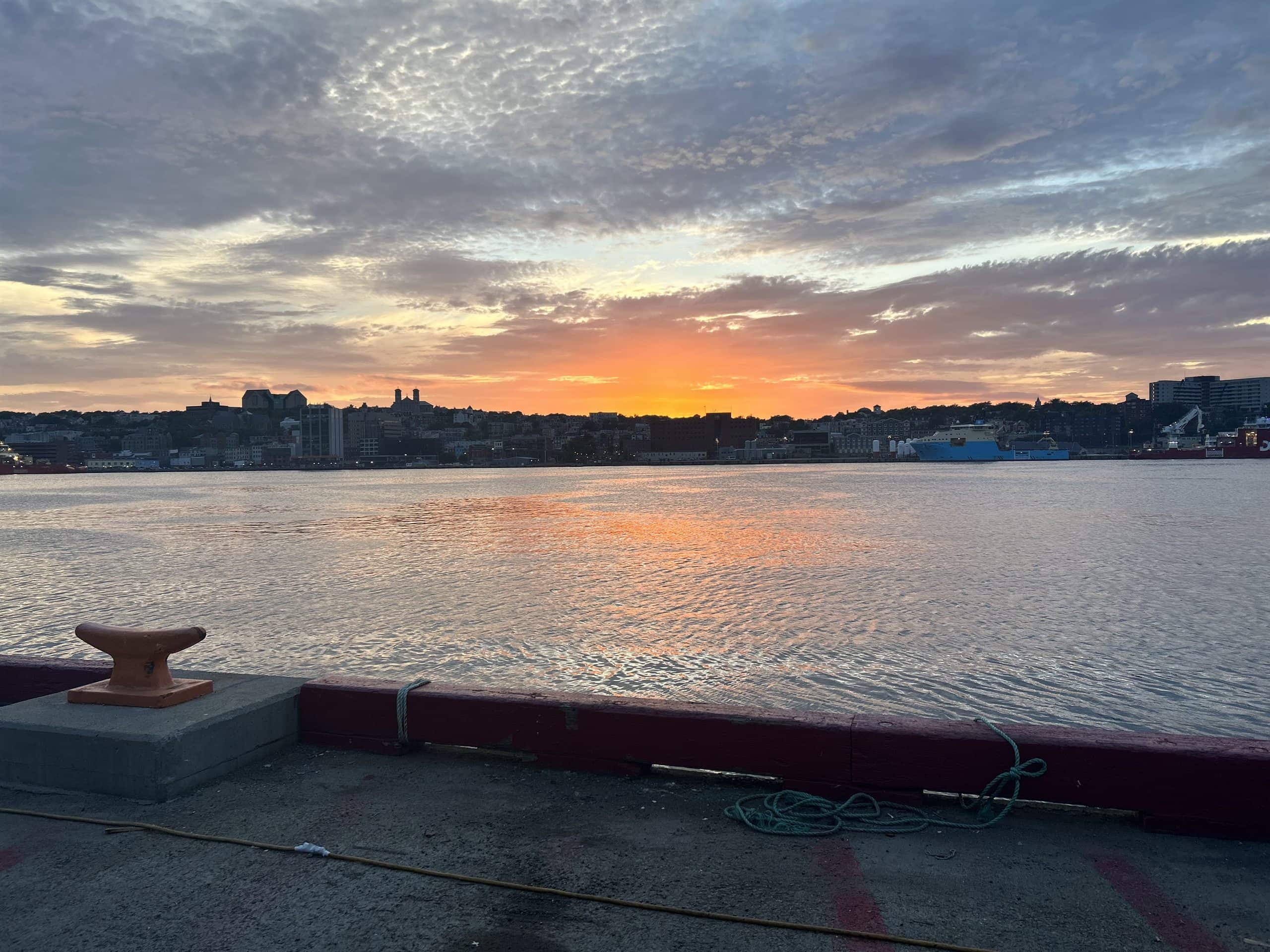
St. John’s harbour from the south side, looking toward the Narrows.
CREW SETTLEMENT STATEMENT
Cape Race · Snow crab · 4-day trip
Statement
2026-004127
Gross stock, trip
$48,200.00
Less fuel, bait, ice
($8,520.00)
Distributable
$39,680.00
Less boat share at 50%
($19,840.00)
Less food and dues
($1,220.00)
Crew pool
$18,620.00
Per crew member: share weight, gross share of the pool, and net after advances.
Crew
Share
Gross
Net
Ches Whiffen captain
1.25
$3,911.76
$3,111.76
Gerard Pittman mate
1.10
$3,442.36
$3,442.36
Wade Sheppard deckhand
1.00
$3,129.41
$2,729.41
Ronnie Bursey deckhand
1.00
$3,129.41
$3,129.41
Showing 4 of 6 aboard
Fig. 1A crew settlement statement. Every figure on it was computed when this page was built, by @deepgrade/crew-share, in integer cents, on a synthetic trip.
The deck, the dock and the cold room have no bars, which is exactly where a landing is born. Dockside is built so that capture keeps working there: records queue on the device, the list keeps reading from what the phone already holds, and the queue drains itself when you come back in range.
Send one back in range and watch the server refuse it. That half is real too, and nobody demos it.
Cut the signal and keep recording. Landings queue on the device, the list keeps reading from what the phone already holds, and the queue drains itself the moment you are back in range. Sync is idempotent, so a retry never books a landing twice.
Fig. 2Offline catch capture. Cut the signal, record a few landings, and come back in range. Synthetic data, and the flow rather than the queue: the on device outbox itself is built on the first engagement.
02What we build
Two tracks, and they are not the same job.
One track runs the operation: what got landed, what it graded out at, and what the crew is owed. The other puts the operation online and sells from it. Start with whichever is costing you most. They do not have to arrive together.
None of these is a shrink-wrapped product. They are the five shapes of work we have already scoped in detail, so a call starts from a real starting point instead of a blank page. If your trade is not fishing, start from your own industry page: what we would build for it, and which of that is already built and tested. If your operation needs something none of them describes, say so and we will scope it.
03Who you get
Two people, in Newfoundland.
Email the studio and one of us answers, most days the same day. That is the whole company, which is rather the point: a studio this size can fit the work to your floor instead of to a product roadmap.
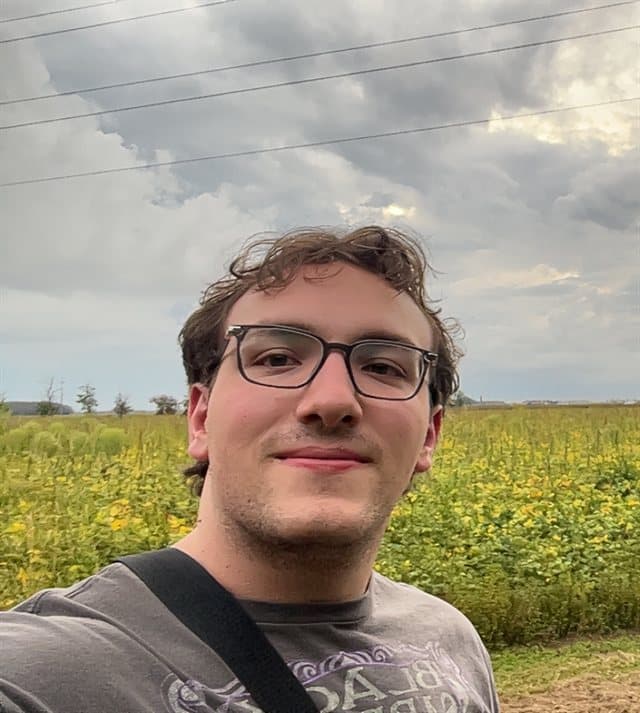
Devon Hewitt
Builds the software
Writes the code that ends up on your dock and the tested packages the math lives in. Offline first, because the wharf gave him no choice.
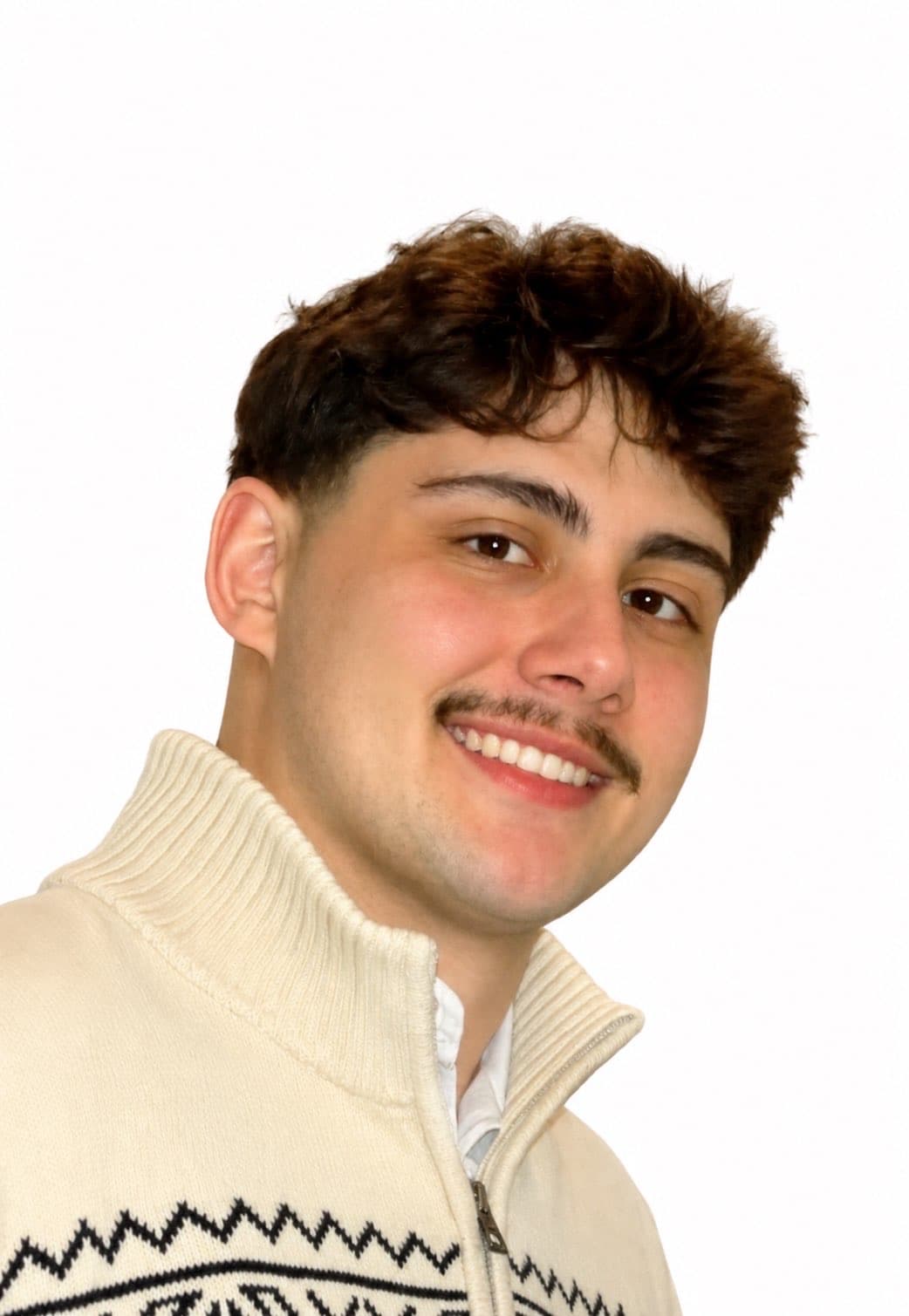
Jacob Skanes
Growth and partnerships
Usually your first call. Maps where the data leaks between the boat and the buyer, and keeps the build moving once it starts.
04How the work goes
From a dock walk to working software, in weeks.
01ScopeA call, and where we can get there, a walk around the dock. We map where the data leaks and which build fits.Days
02DesignA clickable version in your own words, so you see the thing before we build it.Week one
03BuildWorking software on your real workflow. Offline first, with the math in packages that have tests.Weeks
04SupportLive on your docks and devices, and we stay on to keep it sharp as the season changes.Ongoing
05What it costs
You can see what this costs before you talk to anybody.
Enterprise seafood software is quote only, and you will not see a figure until you are several calls deep with somebody whose job is to work out what you can afford. Ours is on the page, in Canadian dollars.
Swipe the table for the monthly →
Build and monthly price ranges in CAD for each DeepGrade offering.
Where you land in a range depends on your operation: how many boats or lines, what has to keep working with no signal, and what it has to talk to. We walk that once, with the two people who build it, and you leave with a quote you can hold us to.
We can build the data spine that traceability work sits on, as a scoped build, and we will describe exactly what it does and does not do. What we will not do is put a regulatory promise on a price list that a two person studio has not shipped and could not stand behind in an audit.
That sentence costs us work. It is staying on the page, because the alternative is being the vendor who said yes and found out later.
The rest of what we refuse, and what happens when a build goes wrong, is on how we work.
07Start a conversation
Tell us what you would build first.
A package off this page, or the thing only your operation needs. Tell us where the numbers go missing between the work and the office, and we will come back with times.
01A reply inside two business days, with a couple of times that suit you. A person reads every one of these.
02Twenty minutes, no obligation, mapping where the data leaks.
03A fixed quote and a plan, in writing. You decide from there.